November 5, 2026
Choosing the right countertop material is an important part of planning a kitchen or bathroom renovation. Countertops influence the appearance of a room, withstand daily wear, and affect how much time homeowners spend on maintenance. Granite and quartzite are two popular natural stone options, offering distinctive patterns, impressive durability, and a range of colors to complement different interior styles. Although they share several characteristics, their differences can influence which material makes the most sense for your home.
When comparing granite countertops with quartzite, consider your budget, preferred aesthetic, cooking habits, and willingness to perform routine maintenance. Both materials can provide years of reliable use when properly installed and cared for, but neither is ideal for every household. Understanding their strengths and limitations will help you choose a surface that balances beauty, practicality, and long-term value.
What Are the Key Differences Between Granite and Quartzite?
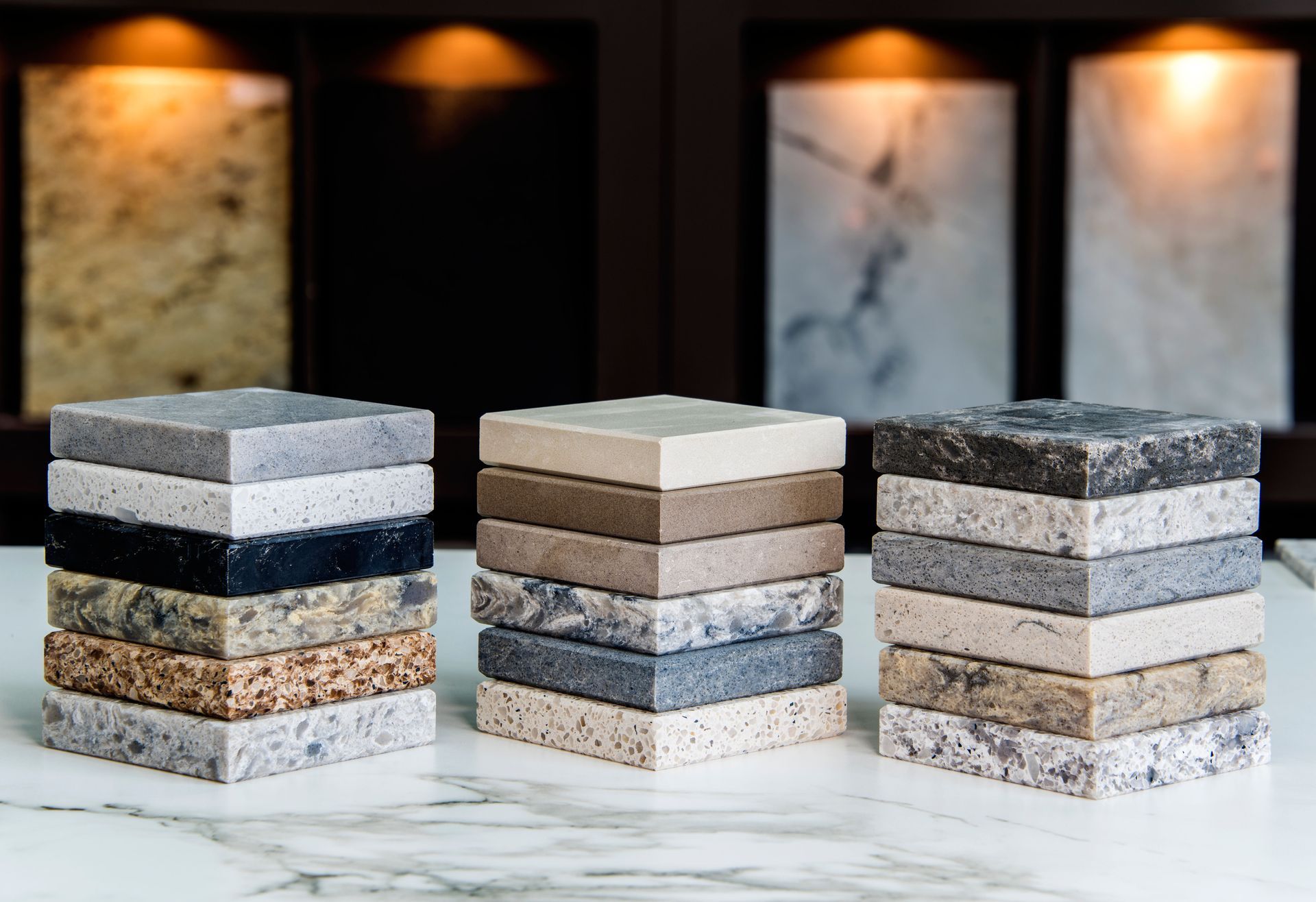
Granite and quartzite are natural stones formed through different geological processes. Granite is an igneous rock created when magma cools and solidifies beneath the Earth's surface. Its mineral composition commonly includes quartz, feldspar, and mica, producing the speckled patterns and varied colors associated with the material. Depending on the slab, granite can feature subtle grains, dramatic mineral contrasts, or intricate combinations of colors.
Quartzite begins as sandstone that undergoes intense heat and pressure, transforming its original mineral structure. The resulting stone is typically composed primarily of interlocking quartz grains. Many quartzite slabs resemble marble, featuring flowing veins, soft backgrounds, and elegant variations in color. This makes quartzite appealing to homeowners who appreciate a refined, natural appearance without necessarily choosing marble.
One important distinction is that quartzite is not the same as engineered quartz. Engineered quartz countertops are manufactured using quartz particles combined with resins and pigments, while natural quartzite is quarried directly from the earth. The names can create confusion when comparing samples in a showroom, so confirm the material's identity before purchasing.
Granite countertops generally offer a broad selection of earthy tones, including brown, black, gray, cream, and green. Quartzite often features white, beige, gray, and gold backgrounds, although its colors and patterns vary considerably. Ultimately, the best choice depends on whether you prefer granite's granular appearance or quartzite's often marble-like veining.
How Do Granite Countertops Compare in Terms of Durability?
Durability is a major consideration when selecting a countertop, especially in busy kitchens where surfaces encounter hot cookware, spills, and frequent food preparation. Fortunately, both granite and quartzite are strong natural stones capable of withstanding everyday use. However, quartzite has a slight advantage in hardness and scratch resistance.
According to HomeGuide, quartzite has a Mohs hardness rating of 7 to 8, compared with granite's rating of 6 to 7. This difference means quartzite generally resists everyday kitchen scratches more effectively. Granite remains a highly durable option, though, and its performance depends on the specific slab's mineral composition and overall quality.
Both materials also offer excellent heat resistance compared with many manufactured countertop surfaces. Nevertheless, using trivets is a sensible precaution because sudden temperature changes can stress natural stone, while heat may affect protective sealers. Heavy impacts can also chip either material, particularly around exposed edges and sink cutouts.
Another important consideration is staining. Neither stone is completely impervious to liquids, and acidic substances should be cleaned up promptly. Proper sealing helps reduce the risk of stains, although it does not make stone entirely stainproof.
For homeowners who regularly cook elaborate meals or want additional scratch resistance, quartzite may be particularly appealing. However, granite countertops can provide excellent long-term performance without requiring homeowners to sacrifice durability for affordability.
Which Option Offers Better Aesthetic Versatility?
Appearance is subjective, so neither material is universally more attractive. Instead, each offers different design possibilities that can complement specific preferences and decorating styles.
Granite is particularly versatile because its mineral composition creates a broad spectrum of colors and patterns. Homeowners can choose dark, dramatic slabs for modern kitchens, warm brown and gold varieties for traditional spaces, or lighter options for bright, understated interiors. Its granular patterns can also help disguise minor crumbs and everyday imperfections.
Quartzite is often favored for its flowing veins and sophisticated appearance. White and cream varieties can brighten a room, while gray or gold veining adds visual interest without overwhelming the surrounding cabinetry. For homeowners seeking the luxurious look of marble, quartzite can provide a similar aesthetic with greater hardness.
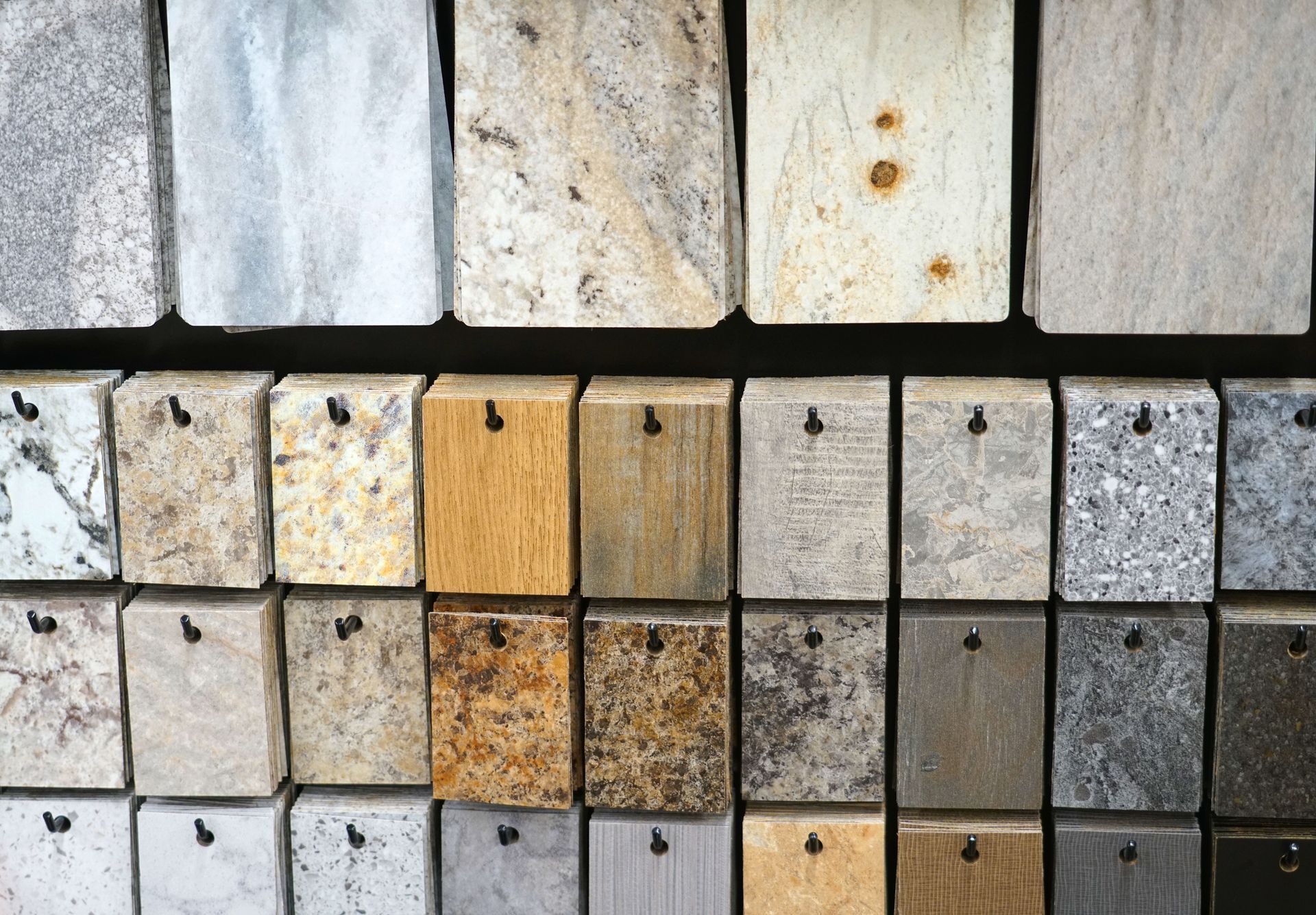
Because both stones are natural, no two slabs are exactly alike. Viewing the actual slab before purchasing is worthwhile, particularly when a prominent island or long countertop will showcase the stone's pattern.
Granite countertops work especially well when homeowners want distinctive natural patterns and a wide range of colors. Quartzite may be preferable when soft veining and a more understated, elegant appearance are priorities.
What Are the Maintenance Requirements for Granite Versus Quartzite?
Both materials require some routine care, but neither needs an elaborate cleaning process. For everyday maintenance, use a soft cloth, warm water, and a mild, stone-safe cleaner. Avoid abrasive pads and harsh chemicals that could damage the finish or protective sealer.
Sealing is another important consideration. Granite and quartzite can both absorb liquids, although their porosity varies by slab. Some varieties may require more frequent sealing than others, so follow the fabricator's recommendations rather than assuming every countertop needs treatment on the same schedule.
A simple water test can help indicate when resealing may be necessary. If water darkens the stone or absorbs rather than beading on the surface, consult your stone-care professional about applying an appropriate sealer.
Quartzite's hardness does not eliminate the need for maintenance, and
granite countertops still require reasonable precautions against stains and damage. Wiping up spills promptly, using cutting boards, and protecting vulnerable edges can help preserve either surface.
Are Granite Countertops More Cost-Effective?
For homeowners working within a renovation budget, granite is generally the more affordable choice. According to the Missouri Department of Natural Resources, the mineral quartz has a hardness of 7, making it a durable option that can be cost-effective across its long lifespan. Actual prices vary with location, slab selection, fabrication complexity, and installation requirements, but quartz and granite both offer a great value proposition over time.
Quartzite often costs more because its hardness makes fabrication more demanding, and certain varieties are especially sought after. Granite offers a wider selection of budget-friendly options, making it easier to find a slab that fits a particular project's financial limits.
However, the initial purchase price is only one part of the decision. Both materials can last for decades with appropriate care, so appearance, maintenance, and installation quality also influence long-term value. Comparing detailed quotes for specific slabs will provide a more accurate picture than relying on general price ranges alone.
Choosing between granite and quartzite ultimately depends on your priorities. Both are durable, attractive natural stones that can enhance a kitchen or bathroom for years. Quartzite offers greater hardness and often features elegant, marble-like veining, while granite provides extensive color choices and typically costs less.
For homeowners prioritizing affordability and design flexibility, granite countertops are an excellent investment. Those willing to pay more for additional scratch resistance and distinctive veining may prefer quartzite. Compare actual slabs, discuss sealing requirements with your fabricator, and evaluate your household's daily needs before deciding. With careful selection and proper maintenance, either material can deliver lasting beauty and dependable performance. If you're in need of a new countertop, reach out to Quarry Granite Countertops today!